🥦
Indole-3-Carbinol
I3C is formed from glucobrassicin in broccoli, cabbage, Brussels sprouts and other cruciferous vegetables. In the body it is converted, among other compounds, into DIM.
A highly concentrated combination of Indole-3-Carbinol (I3C), Resveravine® and resveratrol from Japanese knotweed – for people who value plant-based quality and transparent scientific context.
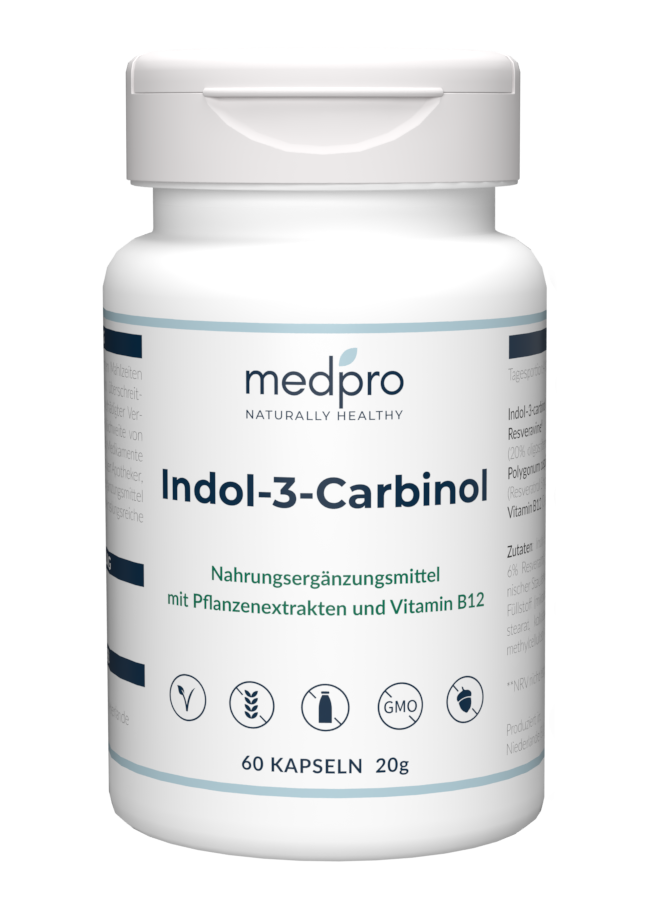
The formula combines I3C from cruciferous vegetables with selected polyphenols. Research mainly explores these compounds in relation to estrogen metabolism, cellular signalling and oxidative stress.
I3C is formed from glucobrassicin in broccoli, cabbage, Brussels sprouts and other cruciferous vegetables. In the body it is converted, among other compounds, into DIM.
A standardised complex containing oligostilbenes and resveratrol. Polyphenols are widely studied for antioxidant and cellular signalling properties.
Japanese knotweed is a natural source of resveratrol and other secondary plant compounds.
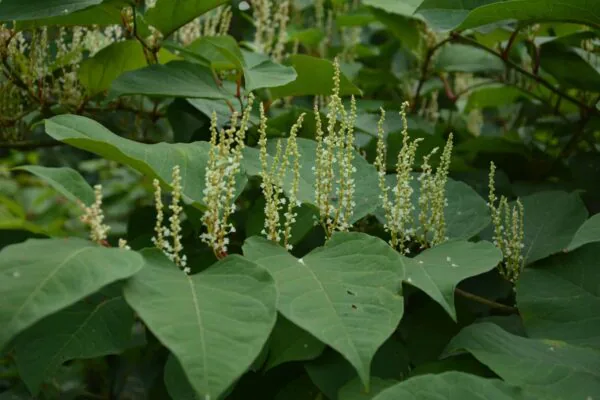
Human studies show that I3C can measurably alter estrogen metabolism. At the same time, many broader findings come from cell and animal models. This product is a food supplement, not a medicine intended to treat or prevent disease.
4 capsules per daily serving
Take two capsules twice daily with water before meals. Do not exceed the recommended daily intake.
| Ingredient | Daily amount |
|---|---|
| Indole-3-Carbinol | 800 mg |
| Resveravine® (20% oligostilbenes, 6% resveratrol) | 250 mg |
| Polygonum cuspidatum root extract | 10 mg (including 5 mg resveratrol) |
A specialist article by Prof. Dr. Dr. med. Ben L. Pfeifer describes indole-3-carbinol as one component of a broader complementary oncology concept for metastatic breast cancer. I3C was not used on its own, but together with other phytotherapeutic substances and supportive measures.
Indole-3-carbinol is formed from glucosinolates found in cruciferous vegetables. In the acidic environment of the stomach, compounds including diindolylmethane (DIM) are formed. The article discusses both substances in relation to antioxidant, inflammation-modulating and cellular research pathways.
The article reports a small prospective pilot study involving 26 patients and a retrospective evaluation of 268 patients. The observations relate to the complete, individually combined treatment concept and cannot be attributed to I3C alone.
The authors explicitly acknowledge methodological limitations. These findings should be viewed as clinical observations and a basis for further research, not as evidence that this food supplement treats or prevents cancer or replaces prescribed medical care.
The publications below concern Indole-3-Carbinol or I3C-containing combinations. They do not demonstrate a therapeutic effect of this specific product.
Review of I3C and DIM, preclinical mechanisms and early clinical evidence.
17 women received 400 mg and then 800 mg I3C daily; these doses were well tolerated in this small study.
Placebo-controlled study in 60 women at increased breast cancer risk using an estrogen-metabolism biomarker.
Short-term I3C intake changed estrogen hydroxylation in 12 healthy volunteers.
Order Indole-3-Carbinol directly from the medpro online shop.